In the medical device manufacturing sector, marking requirements have evolved far beyond mere visibility. Today, markings must be permanent, traceable, compliant, and verifiable.
A specialized laser marking system for medical devices is no longer just a piece of equipment on the production line; it has become a core pillar for ensuring product safety and regulatory compliance throughout the entire product life cycle.
Full Life-Cycle Traceability
The primary objective of UDI (Unique Device Identification) is to ensure comprehensive tracking from manufacturing through distribution and clinical use.
Compliance for Audits and Recalls
Permanent identification plays a critical role during product recalls, inspections, and regulatory audits.
Replacement of Traditional Coding Methods
Manufacturers are increasingly shifting toward FDA UDI laser marking because traditional inkjet or label-based methods often fail to meet permanence and legibility requirements in medical environments.
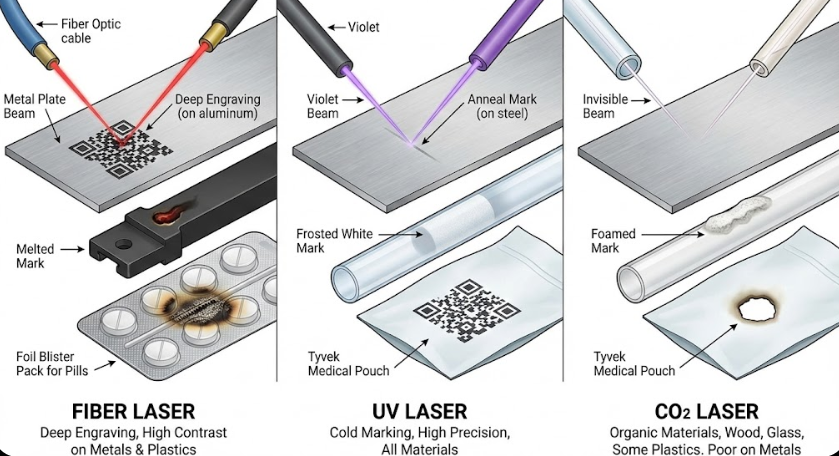
Medical manufacturing involves a wide range of materials, each requiring a specific laser wavelength to achieve reliable marking without compromising material integrity:
Stainless Steel
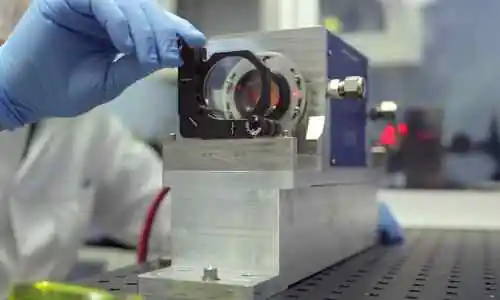
Commonly used for surgical tools, requiring precise stainless steel surgical instrument marking that remains legible after repeated sterilization cycles.
Medical Plastics
Used in syringes, infusion sets, and catheters, where markings must remain clear without causing deformation, carbonization, or material weakening.
Medical Packaging
Materials such as Tyvek, aluminum foil, and paper–plastic pouches require non-contact marking methods to maintain sterile barrier integrity.
A high-quality medical device laser marking solution is not a standalone machine but an integrated system designed for high-risk, highly regulated environments.
Laser Sources
Fiber, UV, or CO₂ lasers selected according to the physical and chemical properties of the target material.
Control Systems and Marking Software
Advanced software generates compliant UDI codes, serial numbers, lot numbers, and 2D barcodes with high accuracy.

Vision Positioning and Verification
Integrated vision systems ensure correct positioning and immediate verification of mark readability.
Cleanroom Compatibility
Enclosed system designs combined with fume extraction support medical manufacturing hygiene standards.
No Consumables
Eliminates inks, solvents, and ribbons, significantly reducing long-term operating costs.
Permanent, Tamper-Resistant Markings
Laser marks cannot be removed or altered during cleaning, sterilization, or handling.
High Consistency for Automation
Ideal for automated and semi-automated production lines where repeatability is critical.
| Comparison Dimension | Traditional Medical Coding Machine | Laser Marking System |
|---|---|---|
| Marking Method | Inkjet / Thermal Transfer | Laser Etching / Color Change |
| Permanence | Medium | Extremely High |
| Compliance Risk | Risk of peeling or blurring | Extremely Low |
| Maintenance Cost | Continuous consumables | Almost zero |
| Automation Integration | Limited | Highly compatible |
For instruments such as forceps, clamps, and scalpels, a surgical instrument marking laser produces high-contrast UDI codes and batch information. These markings remain legible even after hundreds of high-temperature sterilization cycles.
When marking syringes, catheters, or tubing, UV Laser systems provide a cold-marking process that avoids heat damage. This approach is widely used for achieving biocompatible laser marking on sensitive polymers.
Laser marking provides a clean, ink-free solution for medical packaging. This eliminates the risk of ink migration and supports compliance with medical and food-contact safety standards.
Fiber Laser for Metal Medical Devices
Suitable for deep engraving and long-term stability on stainless steel and titanium components.
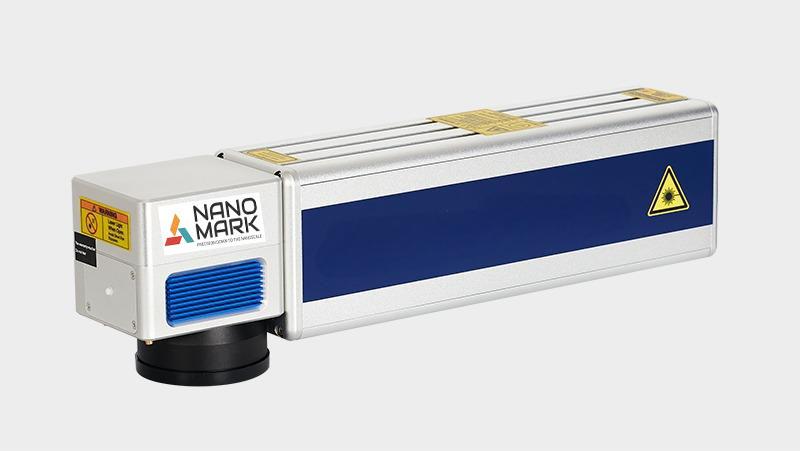
UV Laser for Sensitive Plastics
Uses a photochemical process to mark plastics without thermal stress or surface degradation.
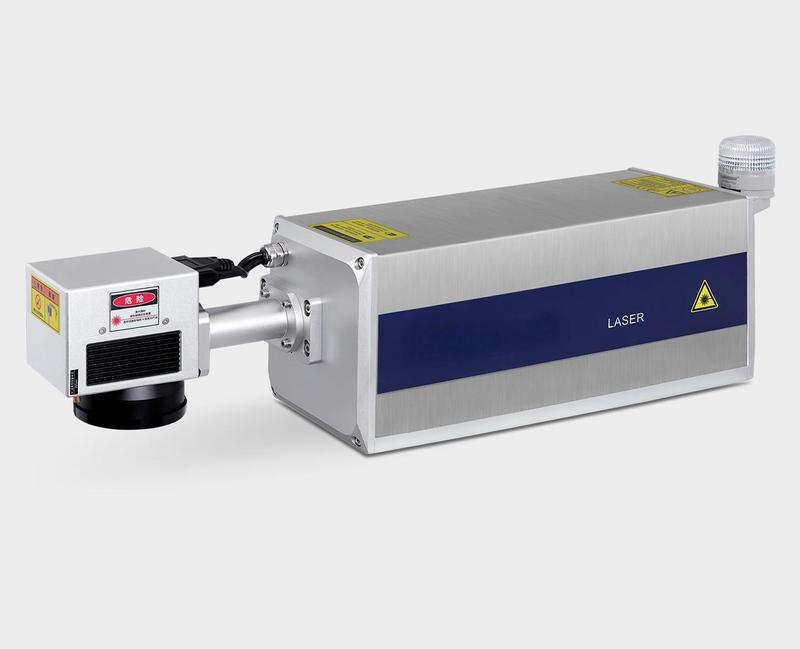
CO₂ Laser for Medical Packaging
Enables high-speed, non-contact marking on flexible packaging materials.
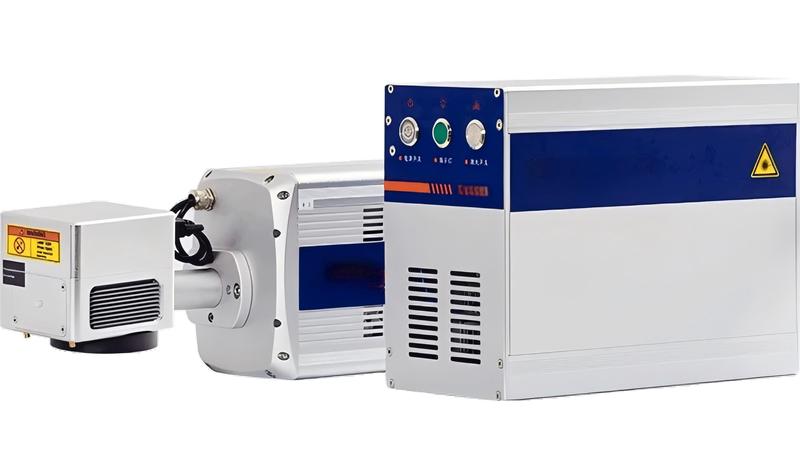
In medical manufacturing, customers require more than a single machine. They need a stable, audit-ready marking system designed for long-term compliance.
Nano Mark provides modular laser marking solutions built on decades of industry experience.
Modular Integration
Systems are designed for seamless integration into existing conveyor systems or manual assembly lines.
Industrial Reliability
High-stability laser sources combined with robust industrial control systems ensure long-term uptime.
Data Connectivity
Full support for MES and ERP connectivity enables end-to-end traceability across production workflows.
When evaluating a medical device traceability laser, manufacturers must also consider the hidden costs associated with compliance failure.
Validation Support
Confirm that the supplier can provide IQ, OQ, and PQ documentation along with marking consistency reports.
Cleanroom Compatibility
Ensure the system includes enclosed designs and effective dust and fume extraction.
Long-Term Risk Control
Reliable marking minimizes the risk of recalls caused by illegible or non-compliant identification.
Future marking systems will increasingly integrate vision inspection combined with AI-based verification to eliminate human error. Cloud-based traceability, centralized data management, and fully automated production lines are expected to become standard across the medical industry.
Does my medical device require direct UDI marking?
Reusable medical devices that undergo repeated sterilization typically require direct marking on the device itself, as labels may degrade or detach over time.
Will laser marking affect device biocompatibility?
Laser marking is a non-contact process that introduces no chemicals. UV cold marking is widely adopted for its compatibility with medical biocompatibility standards.
How many sterilization cycles can a laser mark withstand?
Fiber laser markings on stainless steel have been shown to remain legible after several hundred high-temperature sterilization cycles.
Is the system suitable for regulated data environments?
Medical-grade laser marking systems support secure data handling, audit trails, and electronic records to meet regulatory expectations for data integrity.
Can laser systems mark curved or complex surfaces?
Yes. Systems equipped with dynamic focus control and integrated vision can maintain consistent marking quality on curved and irregular surfaces.
Contact: Jason
Phone: +8613337336942
E-mail: [email protected]
Add: Hangzhou City, Zhejiang Province, China